

By: Marshall Kesterson
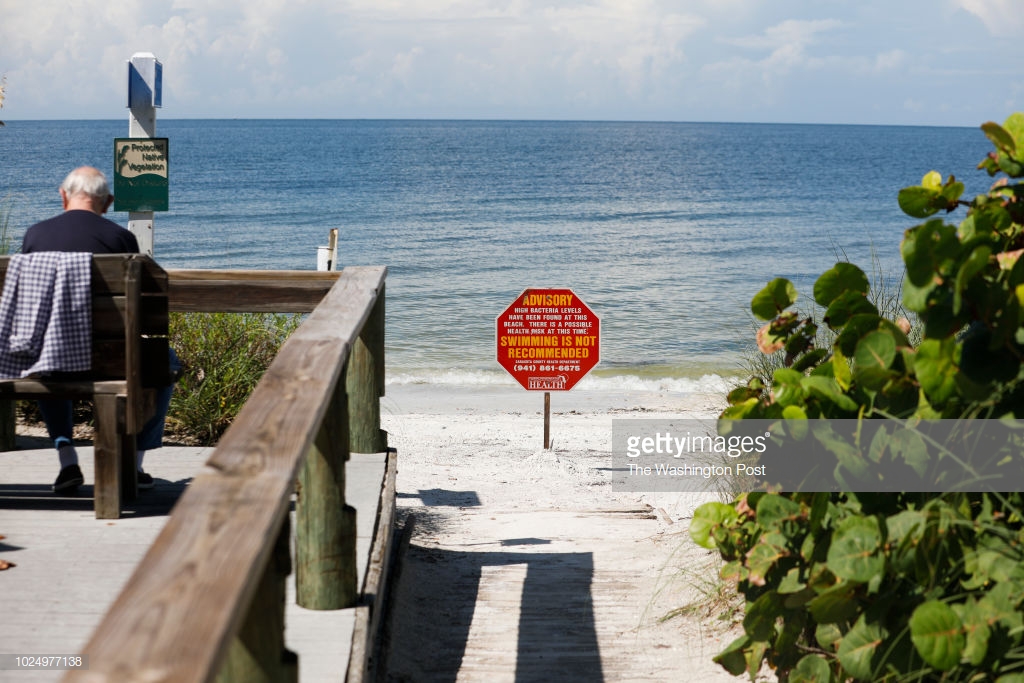
Florida’s Southwest coast has been dealing with a “red tide” caused by a deadly algae bloom of the dinoflagellate Karenia brevis. K. brevis can produce brevetoxins, which are known for causing high mortalities in marine fish and humans via neurotoxic shellfish poisoning. The current algal bloom has been going on since October 2017.
The USF-FWC Collaboration for the Prediction of Red Tides has predicted the movement of surface waters to the Northeast over the coming days. However, this water movement will have a negligible effect on the K. brevis bloom.
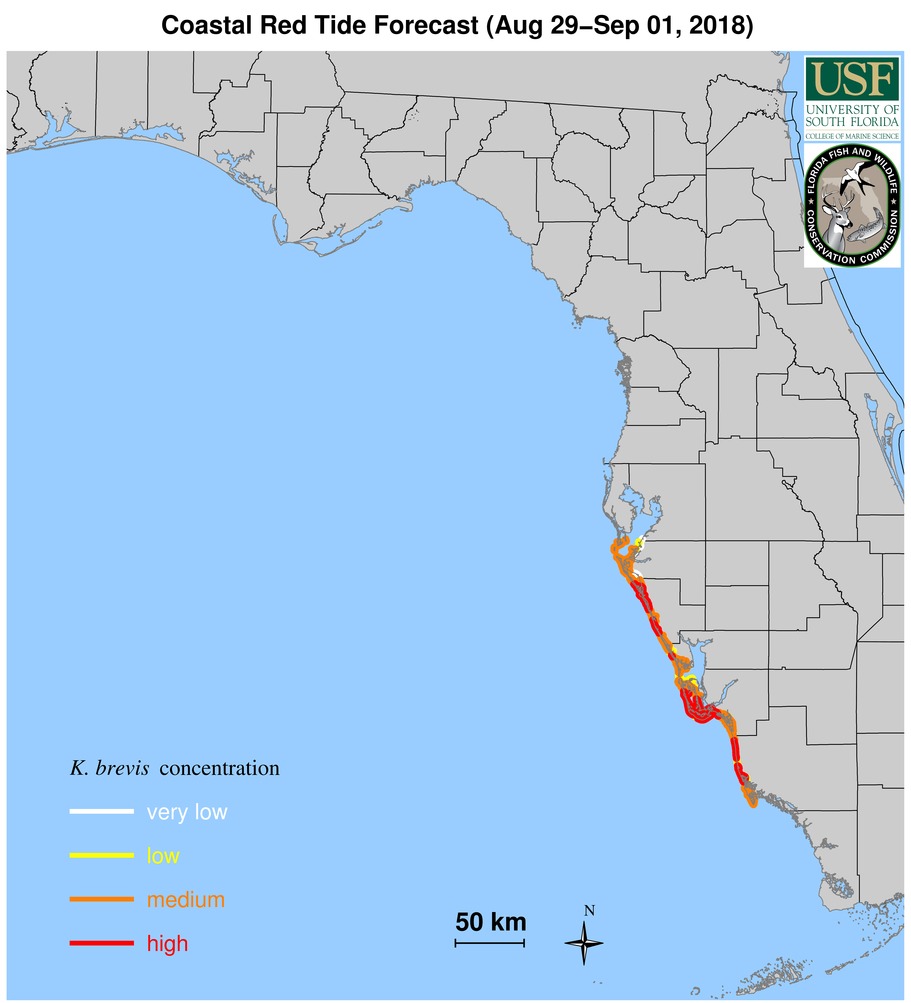
While monitoring the abundance of K. brevis the cyanobacterium, Trichodesmium was identified about 10 miles west of the Southwest coast. Scientists fear that the increased concentration of Trichodesmium could merge with the red tide and serve as a food source, increasing the duration of the algal bloom.
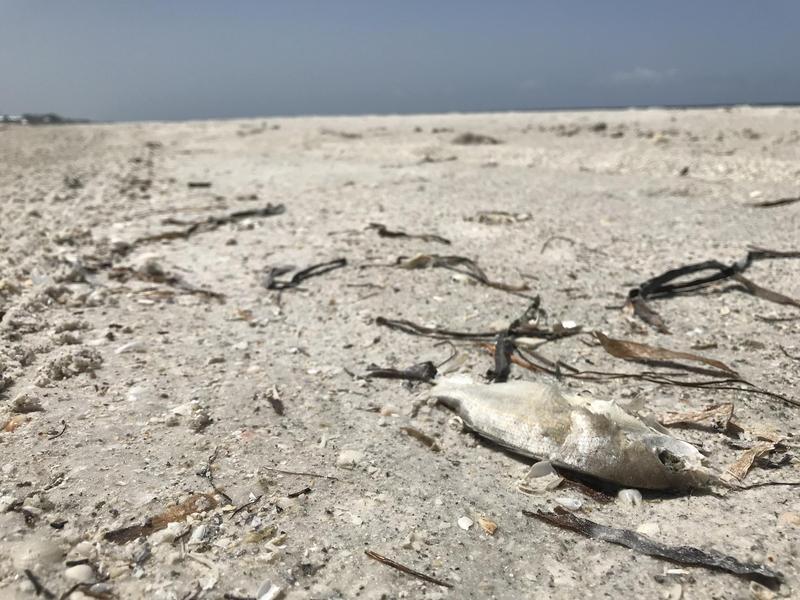
The red tide has had a noticeable influence on Florida’s marine vertebrate populations. The red tide has resulted in the death of at least 29 manatees, and it has stranded 318 sea turtles. The tide has also caused numerous fish kills, leaving many Florida beaches covered in rotting fish.
West coast businesses have also been impacted by the red tide. Some estimates have shown that nearly $90 million has been lost and 300 workers have been laid off because of the algal bloom. The drop in tourism has been attributed to the loss in business.
Scientists are still unsure if the recent algae bloom was caused by climate change. Many have noted that the water in the Gulf of Mexico increasing in temperature and carbon dioxide content has made the bloom worse.
Monitoring for the presence and concentrations of K. brevis is done by the Florida Fish and Wildlife Conservation Commission.

